
Have you ever noticed how often people traveled to find Jesus?
A Roman centurion traveled to ask Jesus to heal his servant.
Jairus hurried to find Jesus because his daughter was dying.
Four faithful friends carried a paralyzed man across town, climbed onto a roof, and lowered him through the ceiling.
A royal official traveled miles because his son was desperately ill.
Blind Bartimaeus cried out as Jesus passed by because this was his opportunity to be healed.
Repeatedly throughout the Gospels, people did whatever they could to overcome one obstacle.
Distance.
Distance stood between sickness and healing.
Distance stood between desperation and hope.
Distance stood between people and Jesus.
Thousands of years later, not much has changed. For millions of people around the world, the greatest obstacle isn’t the illness.
It’s the journey.
In refugee communities, families often have no reliable way to reach medical care. Poverty, legal status, language barriers, and the lack of transportation leave many with nowhere to turn in an emergency. That’s why a new ambulance will do far more than transport patients. It will carry healthcare into communities that are currently beyond reach. Pastors and evangelists will travel alongside the medical team, caring for physical needs while sharing the hope of Christ and building relationships that can grow into Bible studies and new churches.
In India, one ambulance became far more than an emergency vehicle. It became a mobile clinic, returning to the same villages again and again. Healthcare opened the door. Trust grew. Bible studies began. Today, 41 churches stand because local believers consistently returned—not just to preach, but first to care.
In Ivory Coast, a newly built maternity center couldn’t open until emergency transportation was available for mothers experiencing life-threatening complications. One ambulance made the difference between a building that sat empty and one that could safely welcome new life.
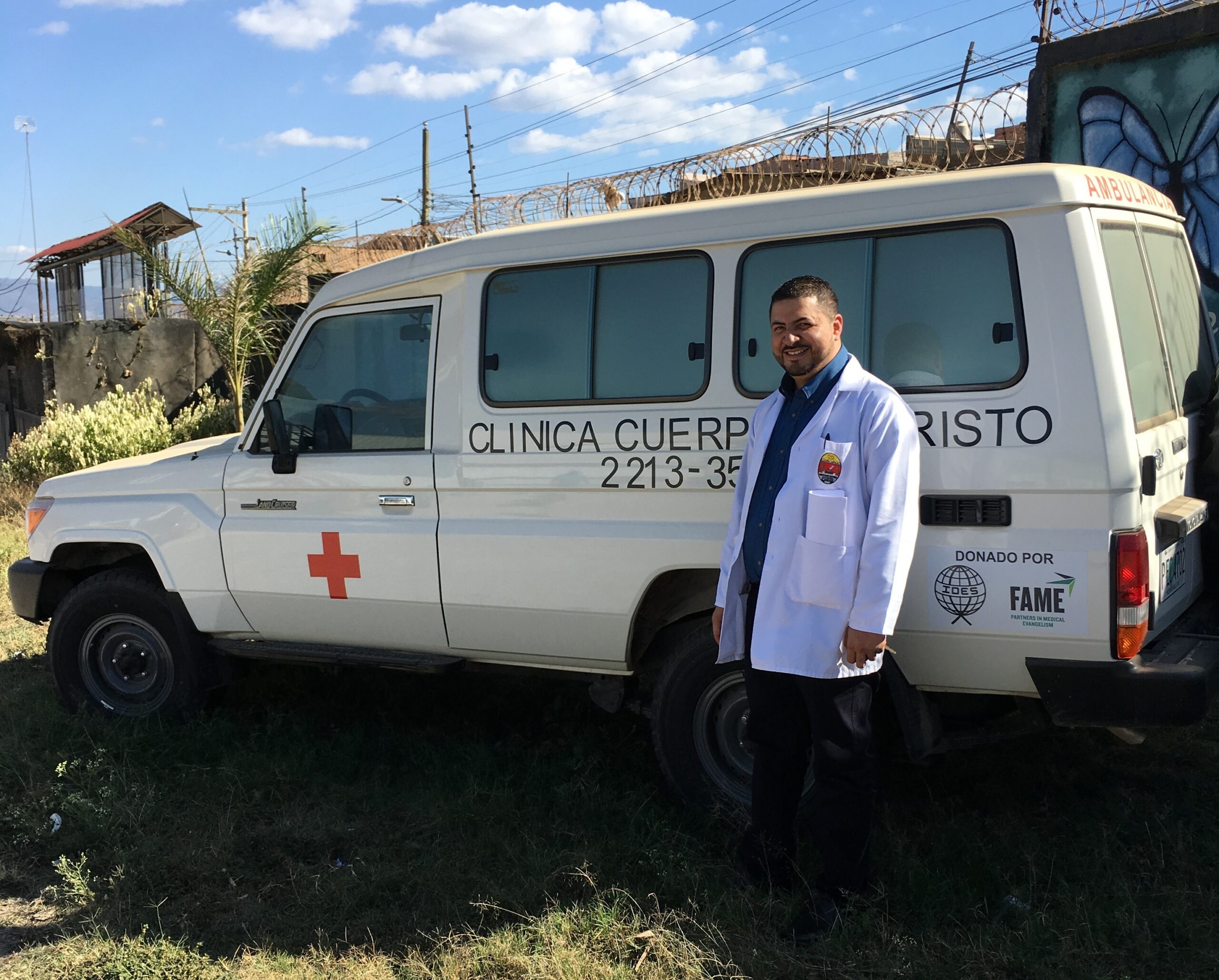
In Honduras, an ambulance has become a lifeline for thousands of people who don’t own a vehicle. It provides transportation not only during emergencies but also for routine medical visits that many families simply could not reach on their own.
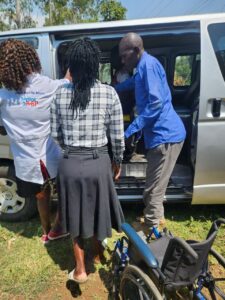
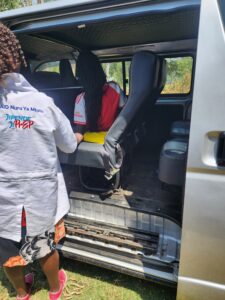
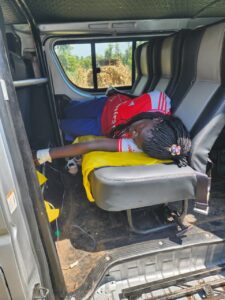
In Kenya, the addition of an ambulance (medical van) has brought relief to many of the transportation challenges they once faced. It now provides reliable transportation that supports both their healthcare services and evangelistic outreach programs.
Sometimes the greatest obstacle isn’t the illness.
It’s the distance.
Just as people once brought those they loved to Jesus, faithful local Christian healthcare workers continue that ministry today. They travel dirt roads, cross mountains, drive into refugee communities, and return to forgotten villages because someone is waiting.
Every mile traveled closes the distance to bring both healing and the hope of the Gospel.
Thank you for helping create points of care where healing begins, hope grows, and Christ is made known.